The Importance of Proper Insulation in Home Comfort
Inspect and Identify Common Insulation Weak Spots
When it comes to keeping your home warm and energy-efficient, insulation is only as strong as its weakest link. Even small gaps, cracks, or under-insulated zones can lead to significant heat loss, forcing your furnace to work harder and your energy bills to climb higher.
Many homeowners don’t realize they’re losing warmth in subtle ways — until a draft passes under a door, a room feels colder than others, or monthly heating costs suddenly spike. Identifying these weak spots early allows you to take targeted action that dramatically improves both comfort and efficiency.
Why This Step Matters
Energy Efficiency: The U.S. Department of Energy estimates that poor insulation can waste up to 20–30% of home heating energy.
Consistent Comfort: Eliminating weak spots helps balance room temperatures — no more “cold bedroom, hot living room” frustrations.
Preventing Moisture Issues: Insulation gaps often lead to condensation, which can damage drywall, paint, and wood.
Lower Utility Bills: Plugging leaks reduces heat loss and helps your HVAC system operate more efficiently.
Where to Check for Heat Loss
1. Attics – The #1 Source of Heat Escape
Warm air naturally rises, and your attic is often where much of it leaks out. Without proper insulation and air sealing, up to 25% of your home’s heat can escape through the roof.
What to Look For:
Uneven or Thin Insulation: Insulation should be evenly distributed and at least 12–15 inches deep for Illinois climates.
Dark Spots or Dust Lines: These indicate air movement through gaps or around framing.
Cold Drafts or Ice Dams: Warm air escaping through the roof can melt snow, which refreezes at the edges, causing ice dams.
Unsealed Access Hatches: Many attic doors or pull-down ladders aren’t insulated, allowing warm air to rise straight out.
2. Basements and Crawl Spaces – The Hidden Cold Zones
These below-grade areas often go overlooked but play a huge role in home comfort. Cold air seeping through foundation walls, rim joists, and floors can make upper levels feel drafty.
What to Look For:
Exposed Foundation Walls: Concrete and block walls allow heat to transfer easily.
Gaps Around Pipes and Vents: Common air leaks where utility lines enter the home.
Cold Floors Above: If the floor in your main living area feels chilly, your crawl space or basement likely needs insulation.
Moisture or Mold: A telltale sign that warm indoor air is condensing against cold surfaces.
3. Exterior and Interior Walls – The Silent Heat Leakers
In older Illinois homes, it’s common to find little or no wall insulation at all. Even newer homes may have inconsistent coverage between studs, leading to cold spots and fluctuating temperatures.
What to Look For:
Cold or Damp Wall Surfaces: Indicates missing or degraded insulation.
Uneven Room Temperatures: Some rooms may stay warm while others feel noticeably cooler.
Visible Gaps or Cracks: Around window frames or wall corners.
High Sound Transmission: Poor insulation often lets outdoor noise in, signaling low density inside walls.
4. Windows and Doors – The Draft Hotspots
Windows and doors are among the most noticeable sources of heat loss. Even if they appear closed tightly, air can seep through tiny gaps in frames, weatherstripping, or caulking.
What to Look For:
Drafts You Can Feel: Hold your hand near window edges or door frames on a windy day — cold air means leakage.
Condensation or Frost: Indicates temperature imbalance and moisture infiltration.
Loose or Worn Weatherstripping: Over time, seals harden and lose effectiveness.
Visible Gaps in Caulk Lines: Especially around exterior trim or siding.
Upgrade to Modern, High-Performance Insulation
When it comes to maintaining a warm and energy-efficient home, the type and quality of insulation you use makes all the difference.
Older insulation materials — especially fiberglass batts installed decades ago — tend to settle, compress, or deteriorate over time, creating gaps that allow heat to escape. As insulation loses volume and density, it loses its ability to trap air, which is the key to keeping your home comfortable.
Modern insulation materials are engineered with advanced technology to deliver superior thermal resistance (R-value), better moisture control, and longer-lasting performance.
Upgrading your insulation not only improves comfort but also lowers energy bills and reduces the strain on your heating system throughout Illinois’ long winters.
Why Modern Insulation Matters
Higher Efficiency: Modern insulation materials offer greater R-values per inch, meaning less material achieves better results.
Better Coverage: They fill gaps and irregular surfaces that traditional insulation often leaves behind.
Improved Moisture Control: New materials are designed to resist mold, mildew, and condensation — protecting your home’s structure.
Longer Lifespan: Many modern insulation types can last 30+ years with little degradation.
Eco-Friendly Options: Newer insulation products often use recycled or low-emission materials to reduce environmental impact.
Top Insulation Options for Illinois Homes
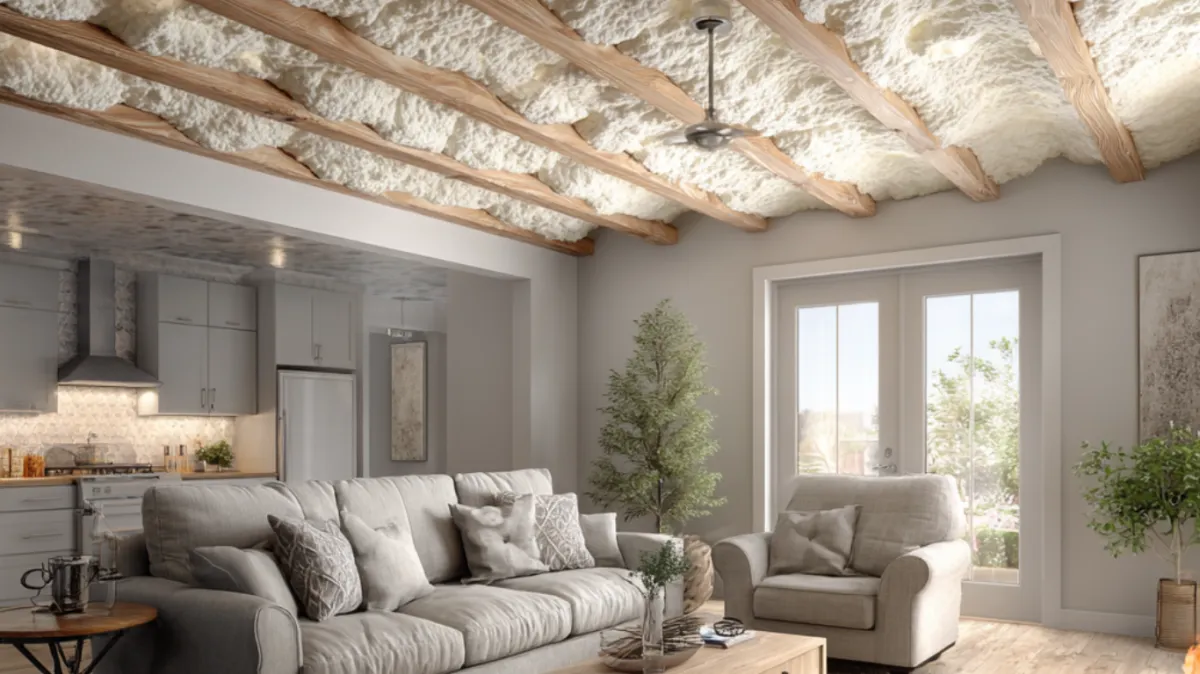
1. Spray Foam Insulation – The Gold Standard for Efficiency
Spray foam is considered one of the most effective insulation materials available today, offering exceptional sealing and energy performance.
It expands upon application, filling every gap, crack, and cavity to create an airtight barrier that traditional insulation can’t match.
Key Advantages:
Airtight Seal: Blocks both air and moisture infiltration — reducing drafts and preventing condensation.
High R-Value: Offers the highest insulation value per inch (R-6 to R-7), making it ideal for energy-conscious homeowners.
Moisture Protection: Prevents mold and mildew by limiting damp air penetration.
Versatile Application: Perfect for attics, crawl spaces, rim joists, and irregularly shaped areas where batts or boards are hard to fit.
Structural Strength: Adds rigidity to walls and roofs, enhancing overall building stability.
2. Blown-In Cellulose – Eco-Friendly and Dense Coverage
Blown-in cellulose is a sustainable and cost-effective option for improving insulation in attics or existing walls.
Made from recycled paper products treated for fire resistance, cellulose is dense enough to fill small gaps and voids that fiberglass can miss.
Key Advantages:
Comprehensive Coverage: Fills around wiring, plumbing, and framing for consistent thermal protection.
Excellent Soundproofing: Dense material absorbs noise — ideal for bedrooms, living spaces, or multi-level homes.
Fire-Resistant and Safe: Treated with non-toxic flame retardants for safety and peace of mind.
Environmentally Friendly: Typically made from 85% recycled materials — great for homeowners seeking green upgrades.
Affordable Upgrade: Quick installation process with minimal disruption to your home.
3. Rigid Foam Board – Strong, Moisture-Resistant Insulation
Rigid foam board insulation (such as XPS, EPS, or polyiso panels) offers excellent thermal protection and moisture control in basements, crawl spaces, and exterior walls.
It’s ideal for homeowners who want durable, waterproof insulation that adds structural integrity.
Key Advantages:
Moisture Barrier: Impermeable surface prevents water vapor from penetrating foundation walls or concrete floors.
Thermal Stability: Provides consistent insulation even in damp or fluctuating temperature environments.
High R-Value: R-5 to R-6.5 per inch, depending on the material type.
Structural Strength: Adds rigidity and support to surfaces — perfect for basements, garages, and behind siding.
Easy to Combine: Works well alongside other insulation types for a layered, energy-efficient envelope.
4. Updated Fiberglass Batts – Reliable and Cost-Effective
Fiberglass batts are the traditional workhorse of home insulation, but modern versions perform far better than the itchy, lightweight materials of decades past.
Today’s high-density fiberglass batts are easier to install, more durable, and more energy-efficient.
Key Advantages:
Affordable Solution: Still one of the most cost-effective ways to upgrade insulation.
Improved Density: Modern batts maintain shape and R-value without sagging over time.
Fire Resistant: Naturally non-combustible material adds safety to walls and attics.
Easy Installation: Ideal for accessible areas like wall studs, floor joists, or open attic spaces.
Better Air Quality: Newer fiberglass batts are formaldehyde-free and safer for indoor environments.
Seal Air Leaks for Maximum Efficiency
Even the most advanced insulation can’t deliver full performance if warm air keeps slipping through small cracks and gaps around your home. These leaks act like invisible escape routes — letting precious heated air out while allowing cold drafts in.
According to the U.S. Department of Energy, air leaks can account for 25–30% of total energy loss in many homes, especially those built before modern efficiency standards.
By properly sealing air leaks, you improve insulation performance, reduce strain on your HVAC system, and maintain consistent comfort throughout your home — all while cutting utility costs.
Why Air Sealing Matters
Maximizes Insulation Efficiency: Prevents heated air from escaping, allowing your insulation to perform as intended.
Improves Indoor Comfort: Eliminates cold spots, drafts, and uneven temperatures between rooms.
Reduces Energy Bills: Less heat loss means your furnace or heat pump runs less frequently.
Prevents Moisture Infiltration: Sealing cracks helps reduce condensation and prevents mold growth.
Enhances Air Quality: Blocks dust, pollen, and outdoor pollutants from seeping into your living spaces.
Common Areas to Seal
1. Around Windows and Doors
Windows and doors are the most common culprits of air infiltration. Over time, weatherstripping can wear down, caulk can crack, and seasonal expansion and contraction can create tiny openings that leak warm air.
How to Fix It:
Inspect for Drafts: On a windy day, hold a lit incense stick near the frame — if the smoke wavers, air is escaping.
Apply Weatherstripping: Install new weatherstrips around movable components (door frames and window sashes).
Caulk Stationary Cracks: Use exterior-grade silicone caulk around trim, joints, and sill areas.
Replace Old Thresholds or Door Sweeps: Seal the gap at the bottom of doors to stop under-door drafts.
2. Plumbing and Wiring Openings
Small holes where pipes, vents, or electrical lines penetrate walls and floors can create surprising amounts of heat loss. These gaps also provide easy entry points for moisture and pests.
How to Fix It:
Locate Utility Penetrations: Check under sinks, behind appliances, in basements, and around electrical boxes.
Use Expanding Foam or Silicone Sealant: Fill gaps around plumbing and wiring to create an airtight barrier.
Seal Dryer Vents and Exhausts: Ensure exterior vents are tightly fitted and properly covered.
Add Fire-Rated Caulk in Utility Rooms: Use special high-temperature caulk where pipes pass near furnaces or water heaters.
3. Attic Access Hatches and Pull-Down Ladders
Your attic is a major source of heat loss, and the access hatch or ladder opening often goes unsealed — essentially acting like a hole in your insulation barrier.
How to Fix It:
Install Weatherstripping: Apply foam tape or rubber gasket material around the hatch perimeter.
Add Insulation Panels: Secure rigid foam board or reflective insulation to the top of the hatch cover.
Use an Insulated Attic Tent or Cover: A pre-fabricated thermal barrier that fits snugly over pull-down ladders.
Seal Light Gaps: Shine a flashlight from above the hatch — any light seen below indicates air leakage.
4. Baseboards, Floor Joists, and Wall Edges
Heat often escapes through the edges of your home’s structure — where walls meet floors or ceilings. These subtle gaps may not be visible but can significantly affect comfort.
How to Fix It:
Inspect Baseboards and Floor Edges: Feel for drafts along exterior walls and corners.
Apply Foam Sealant: Use low-expanding foam or latex caulk along gaps where the floor meets the wall.
Seal Rim Joists in Basements: These are major leakage points where framing meets foundation walls.
Add Gasket Tape Behind Baseboards: A hidden yet effective way to improve air tightness in older homes.
At CU Midwest Designs, we take a holistic approach to remodeling — combining structural expertise with modern energy solutions. Whether you’re upgrading your attic, sealing your basement, or remodeling an entire living space, we’ll ensure your home is built for comfort, efficiency, and longevity.
Get your home ready for the Illinois winter today. Contact our team for a professional insulation consultation and see the difference true craftsmanship makes.
