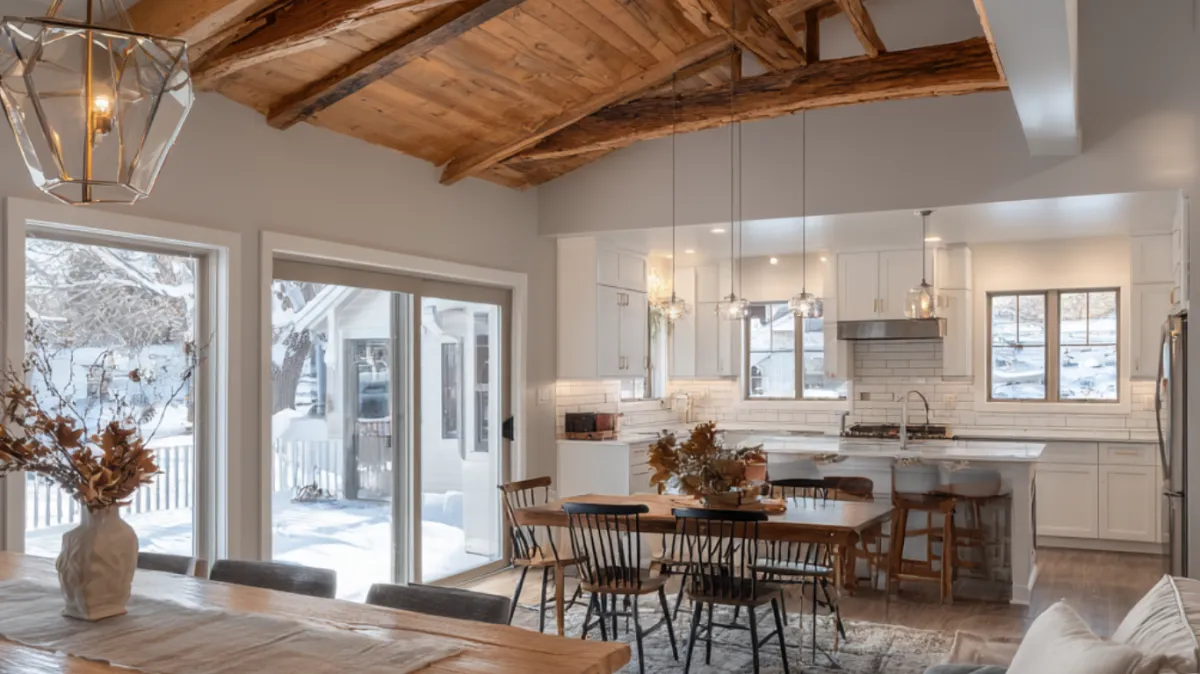
Winter Renovation Myths: Why You Can Remodel in Cold Weather
Myth: “You Can’t Remodel During Cold Weather”
Reality: Modern construction techniques and advanced project planning have made winter remodeling not only possible — but often more efficient than traditional spring or summer renovations.
Many homeowners assume that freezing temperatures and snow bring construction projects to a standstill, but that’s far from the truth. The reality is that most home renovation work happens indoors, in climate-controlled spaces, where weather has little to no impact on progress. With today’s materials, moisture management systems, and scheduling precision, winter projects can move forward smoothly and safely.
At CU Midwest Designs, our crews are equipped to handle renovations year-round — ensuring your kitchen, bathroom, or basement transformation doesn’t have to wait for warm weather.
Why Winter Remodeling Works
1. Controlled Indoor Environments Ensure Steady Progress
Most remodeling projects take place inside the home, where temperatures and humidity can be regulated.
This allows for consistent workmanship without weather interruptions.
How Contractors Keep Conditions Ideal:
Temporary Heating Solutions: Portable heaters maintain comfortable worksite temperatures for both materials and crews.
Plastic Barriers and Zip Walls: These prevent dust, drafts, and heat loss from spreading into other areas of your home.
Moisture Control Systems: Dehumidifiers and ventilation fans manage indoor air quality, especially during painting or drywall installation.
Sequenced Scheduling: Tasks like demolition, framing, electrical, and finish work are organized for maximum efficiency, regardless of outdoor temperatures.
2. Winter’s Low Humidity Is Ideal for Certain Installations
Surprisingly, cold-weather air can actually improve the quality of your remodel.
Winter’s lower humidity levels create optimal conditions for materials that are sensitive to moisture changes — helping them cure, fit, and settle properly.
Why This Matters for Your Home:
Flooring Installations: Hardwood, laminate, and engineered floors are less likely to expand or contract in dry, cool conditions.
Cabinetry and Trim: Stable humidity prevents warping or cracking of fine wood finishes.
Painting and Staining: Low humidity allows paint and finishes to dry evenly and bond better to surfaces.
Drywall and Plastering: Controlled indoor air ensures smoother, faster drying with fewer blemishes.
3. Less Household Disruption and More Flexibility
Winter tends to be a slower, quieter season for most families — which makes it a perfect time to remodel.
With fewer outdoor gatherings, travel plans, and home activities, it’s easier to accommodate crews working inside.
Benefits of Remodeling During the Winter Season:
Fewer Scheduling Conflicts: Families are more likely to be home, making communication and decision-making faster.
Clearer Work Zones: With less outdoor movement and open windows, dust and debris stay contained.
Minimal Interference with Daily Life: Contractors can work in one area of the home while the rest remains fully functional.
Better Crew Availability: With reduced demand in the winter months, you can secure your preferred project timeline and team.
4. Winter Projects Stay on Schedule — and Often Finish Faster
While spring and summer are peak seasons for home improvement, winter work benefits from fewer delays and tighter scheduling.
No Rain Delays: Unlike exterior summer projects, winter’s indoor focus eliminates weather-related pauses.
Priority Scheduling: Contractors often have more availability in colder months, allowing your project to start — and finish — sooner.
Dedicated Crew Focus: With fewer simultaneous projects, your remodel receives more hands-on attention and faster turnaround.
5. Perfect Season for Indoor Remodeling Projects
Winter is ideal for tackling interior renovations that don’t depend on outdoor conditions.
At CU Midwest Designs, we commonly complete:
Kitchen Remodels: Cabinet replacements, new backsplashes, and countertop installations.
Bathroom Upgrades: Tile installations, vanity replacements, and shower remodels.
Basement Finishes: Framing, insulation, flooring, and lighting for added living space.
Interior Painting: Fresh coats of paint dry faster and smoother in winter’s low humidity.
Flooring Projects: Hardwood, laminate, and vinyl installations thrive in temperature-stable environments.
Myth: “Contractors Don’t Work in Winter”
Reality: Skilled trades and professional remodelers work year-round — and winter can actually be one of the best times to hire them.
It’s a common misconception that contractors shut down operations during cold weather, but the truth is that experienced remodeling teams like CU Midwest Designs continue to work efficiently through all seasons. While some exterior projects may pause due to severe conditions, the majority of interior renovations — including kitchens, bathrooms, flooring, and basements — can proceed smoothly, regardless of temperature outside.
In fact, winter remodeling often gives homeowners an advantage thanks to greater availability, faster scheduling, and more focused craftsmanship.
Why Contractors Stay Busy Year-Round
Professional Expertise: Experienced crews are trained to work safely and efficiently in winter conditions.
Indoor-Focused Projects: Most remodeling tasks — from framing and electrical work to tiling and cabinetry — are done in climate-controlled indoor spaces.
Material Advancements: Modern adhesives, paints, and finishes are designed for low-temperature performance.
Steady Industry Demand: Reputable contractors maintain consistent staffing and workflow through the year to serve homeowners in all seasons.
The Real Advantage: More Availability and Faster Starts
When the busy summer season winds down, many homeowners delay projects until spring — which means less competition for contractor schedules during the winter months.
This seasonal slowdown allows you to book top-tier teams faster, secure your preferred timeline, and complete your remodel before peak demand returns.
Key Benefits of Winter Availability
1. Quicker Start Times
Minimal Waiting Period: Instead of waiting several weeks (or months) for your project to begin, many winter renovations can start within days of approval.
Direct Access to Design Teams: Scheduling consultations, measurements, and design meetings is far easier when calendars are open.
Streamlined Coordination: Crews, suppliers, and inspectors all have more time to align on your project’s needs.
2. Personalized Attention
Dedicated Crew Focus: With fewer overlapping jobs, your remodeling team can devote more time to your specific project.
Enhanced Communication: Fewer active clients mean more consistent updates and one-on-one collaboration with your project manager.
Precision and Care: Extra time allows for detailed craftsmanship — from precise tile layout to customized cabinetry fit.
Design Flexibility: You’ll have more time to explore design options, materials, and finishes without feeling rushed by seasonal deadlines.
3. Faster Permit Approvals
Shorter Wait Times: Building and zoning offices typically experience reduced workloads in winter, allowing for faster permit turnaround.
Quicker Inspections: Fewer ongoing projects mean local inspectors are more available, minimizing administrative delays.
Streamlined Paperwork: Less backlog means your documentation and approvals move through the system more efficiently.
Early Preparation for Spring: If your remodel includes any exterior elements, winter permits ensure you’re ready to break ground once temperatures rise.
4. Flexible Coordination for a Smoother Process
Easier Scheduling: With fewer jobs competing for attention, your contractor can offer custom start dates that fit your personal calendar.
Better Supplier Access: Material suppliers also experience lighter demand, making deliveries and backorders faster and more predictable.
Coordinated Trades: Electricians, plumbers, and flooring installers are more readily available, reducing downtime between stages.
Efficient Workflow: With better coordination across every trade, winter projects tend to finish on — or ahead of — schedule.
Myth: “Material Quality Suffers in Cold Weather”
Reality: With the right handling, storage, and indoor climate control, most building materials actually perform better during winter than in humid summer conditions.
It’s a common belief that cold weather leads to brittle materials or poor installation quality — but in truth, professional contractors know how to create controlled indoor environments where materials remain at optimal temperatures for installation and finishing.
In fact, winter’s naturally lower humidity levels can enhance precision and reduce common issues like expansion, warping, and uneven drying that often occur in warmer, damp months.
At CU Midwest Designs, our teams are trained to monitor temperature, humidity, and ventilation during every phase of your remodel — ensuring long-lasting, high-quality results no matter the season.
Why Cold Weather Doesn’t Compromise Material Quality
1. Controlled Indoor Temperatures Keep Materials Stable
Modern homes and job sites are climate-controlled environments. Contractors maintain steady indoor temperatures to prevent materials from getting too cold or too dry.
This ensures everything from flooring to adhesives performs exactly as intended.
How We Maintain Quality Indoors:
Heated Work Zones: Portable heaters and enclosed areas keep installation environments between ideal temperature ranges.
Acclimation Time: Materials like hardwood or laminate are stored indoors for several days before installation to match the home’s temperature and humidity.
Moisture Monitoring: Hygrometers are used to track indoor humidity levels to avoid unwanted expansion or contraction.
2. Lower Humidity Improves Precision and Finish Quality
Winter air tends to be drier — and that’s actually beneficial for most finishing materials.
While summer humidity can cause swelling, bubbling, or slow drying, winter conditions allow for cleaner, sharper results.
Key Advantages of Low Humidity:
Reduced Warping and Cracking: Wood products like doors, trim, and cabinetry stay dimensionally stable.
Cleaner Paint Finishes: Paint adheres evenly with fewer streaks, bubbles, or drips.
Stronger Adhesive Bonds: Dry air helps adhesives and sealants cure more thoroughly.
Better Surface Protection: Finishes like varnish or polyurethane dry smoothly without moisture-related clouding.
3. Material Advantages in Winter Conditions
Even though the outdoor temperatures may drop, the controlled indoor environment makes winter an excellent time to install many popular materials. Here’s how each major material type benefits:
a. Flooring Installation
Consistent Humidity: Hardwood, laminate, and vinyl all perform best in stable humidity — something winter naturally provides.
Reduced Expansion & Contraction: Cold-weather air minimizes gapping, buckling, or cupping.
Improved Adhesion: Flooring adhesives cure more predictably in steady, dry air.
b. Cabinetry and Millwork
Stable Air Moisture: Prevents fine wood details like cabinet doors and trim from warping or swelling.
Smoother Paint & Stain Curing: Winter’s low humidity ensures cleaner application and faster dry times.
Enhanced Durability: Proper curing leads to stronger finishes that resist chips and peeling.
Consistent Fit: Cabinet joints, molding, and trim pieces stay tight and aligned without movement.
c. Drywall, Plaster, and Paint
Faster Drying Time: Lower humidity allows drywall mud, primer, and paint to dry evenly without streaks or bubbles.
Fewer Imperfections: Controlled environments reduce cracking, blistering, or delayed curing that can occur in humid conditions.
Smoother Finish: Paint bonds more effectively to properly prepped surfaces in winter air.
Enhanced Durability: Paint finishes applied in drier air resist moisture and discoloration over time.
4. The Professional Difference: Handling and Storage Matter
The key to maintaining material quality in winter is proper handling — and professional contractors know exactly how to do it.
At CU Midwest Designs, our process includes:
Temperature-Controlled Material Storage: All paints, adhesives, and finishes are kept in stable environments before use.
On-Site Conditioning: Wood, flooring, and drywall are acclimated to indoor temperatures before installation.
Specialized Tools and Equipment: Heaters, fans, and dehumidifiers are used to regulate job site conditions.
Expert Scheduling: Work is timed strategically — for example, painting is done after heating systems stabilize, and flooring is installed last to prevent movement.
5. The Bottom Line: Winter Enhances, Not Hinders, Quality
The idea that cold weather weakens construction quality is outdated.
With modern materials, indoor climate control, and expert handling, winter can actually be the optimal time for achieving high-precision, long-lasting results.
Homeowners who choose to remodel in winter enjoy:
Stable humidity for superior finishes.
Reduced risks of warping, swelling, or shrinking.
Cleaner, more professional workmanship.
Materials that perform better under consistent, controlled conditions.
Our team specializes in year-round remodeling, combining craftsmanship, smart project management, and energy-efficient solutions that keep your home beautiful and functional through every season.
